
Ceramics
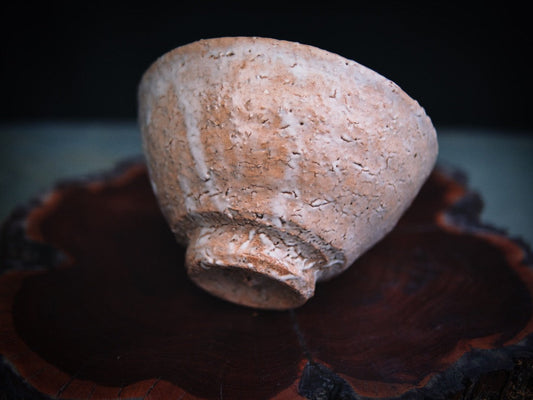
Introduction to Hagi Ceramics
Hagi ware (Hagi-yaki, 萩焼) is considered one of Japan's three most important ceramic styles. Originally inspired by Korean rice bowls, it gained great popularity in the 16th century through the...
Introduction to Hagi Ceramics
Hagi ware (Hagi-yaki, 萩焼) is considered one of Japan's three most important ceramic styles. Originally inspired by Korean rice bowls, it gained great popularity in the 16th century through the...
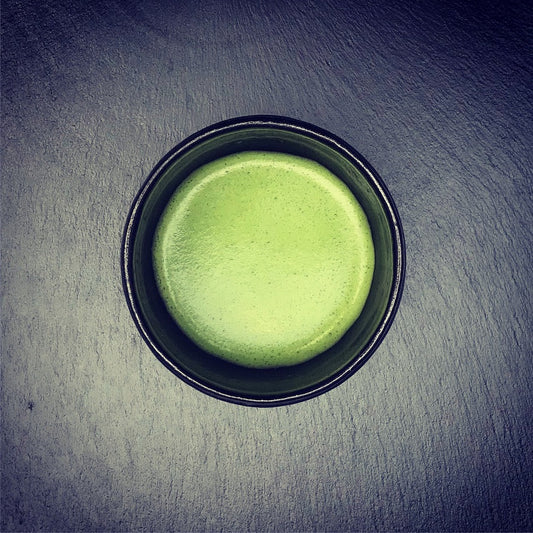
How was Raku pottery originally made?
Raku ware is a highly esteemed form of teaware in Japan, originating in the 16th century with the potter Chôjirô, whose simple, handmade works are closely associated with the Japanese...
How was Raku pottery originally made?
Raku ware is a highly esteemed form of teaware in Japan, originating in the 16th century with the potter Chôjirô, whose simple, handmade works are closely associated with the Japanese...
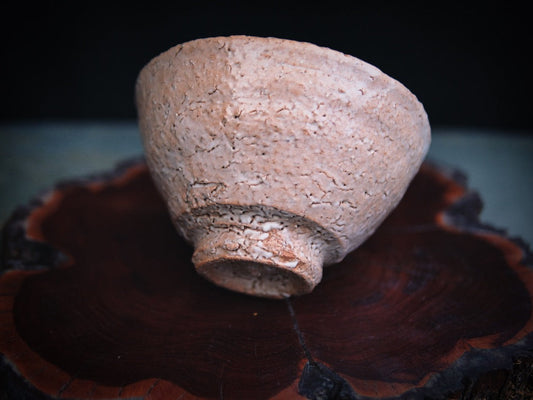
From the tenmoku tea bowl to new forms and glazes
Japanese tea culture developed during the 15th and 16th centuries across various social strata, with alternative movements emerging alongside the aristocratic tea culture that favored precious Chinese utensils. Wealthy merchants...
From the tenmoku tea bowl to new forms and glazes
Japanese tea culture developed during the 15th and 16th centuries across various social strata, with alternative movements emerging alongside the aristocratic tea culture that favored precious Chinese utensils. Wealthy merchants...
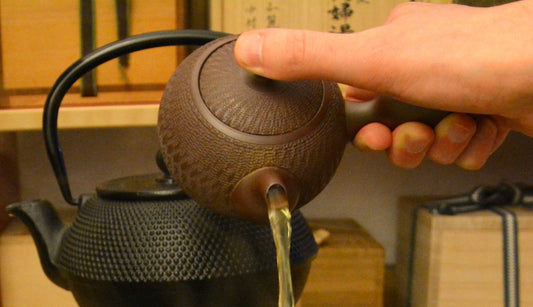
Banko Ceramics Part II: The Effect
The blog post examines the influence of clay teapots on the taste of green tea, particularly the effect of iron-containing Banko kyûsu compared to glazed Tokoname kyûsu. Experimental tests show...
Banko Ceramics Part II: The Effect
The blog post examines the influence of clay teapots on the taste of green tea, particularly the effect of iron-containing Banko kyûsu compared to glazed Tokoname kyûsu. Experimental tests show...
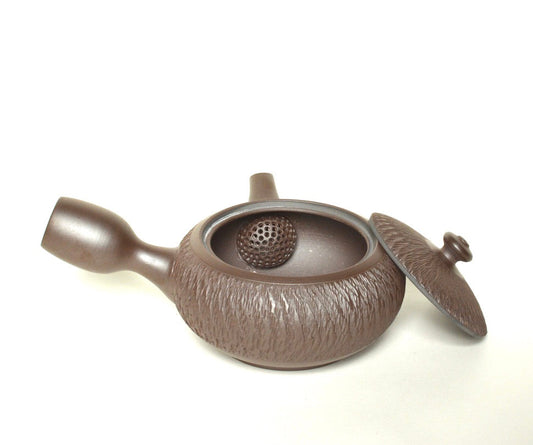
Banko Ceramics Part I: The History
With the growing popularity of Japanese green tea during the Edo period (1615–1868), it was only a matter of time before Chinese utensils also came to the attention of tea...
Banko Ceramics Part I: The History
With the growing popularity of Japanese green tea during the Edo period (1615–1868), it was only a matter of time before Chinese utensils also came to the attention of tea...
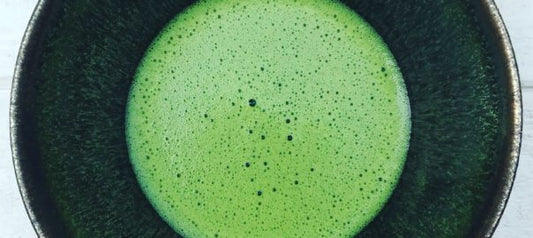
Why are chawan bowls actually so expensive?
Anyone who enjoys drinking matcha has surely wondered why some matcha bowls are so expensive when searching for a suitable one. After all, they are “only” “fired earth”. The question...
Why are chawan bowls actually so expensive?
Anyone who enjoys drinking matcha has surely wondered why some matcha bowls are so expensive when searching for a suitable one. After all, they are “only” “fired earth”. The question...